

Principal Care Management

How Our Process Simplifies Principal Care Management

1 : Patient Eligibility Verification

2 : Care Plan Development

3 : Patient Enrollment & Onboarding

4 : Ongoing Condition-Specific Monitoring

5 : Timely Alerts & Care Coordination

6 : Monthly Progress Reports

7 : Simplified Billing Support

8 : Quarterly Performance Review

Principal Care Management (PCM)

Keep your patients engaged and supported between appointments with MoonMD’s Principal Care Management program. Our solution helps providers deliver consistent, data-informed care for patients with a single chronic condition—improving outcomes, boosting compliance, and enhancing practice revenue.

What is PCM?

Principal Care Management enables healthcare providers to closely manage patients with a single chronic condition through continuous communication and coordinated care. This proactive approach helps patients stay on track with treatment plans, reduces hospital visits, and supports better long-term health outcomes.

Benefits of PCM

READY TO TRANSFORM PATIENT CARE WITH PCM?

Have questions about Remote Patient Monitoring (RPM), Chronic Care Management (CCM), Genetic Testing, Pain Management/MAT, PCM, or Wound Care partnerships?
Click the button below or call us directly — our team will follow up within one business day.
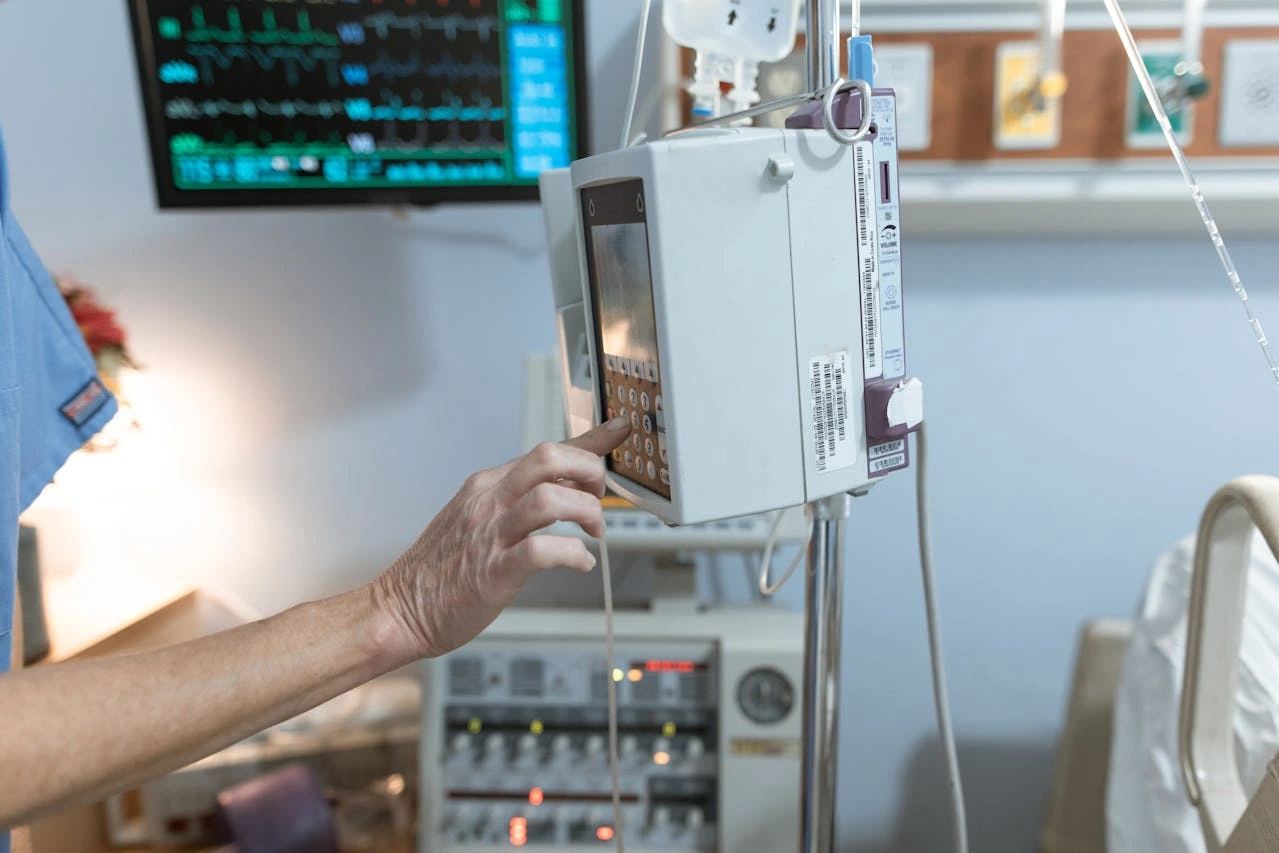

Expand your team’s capacity without the hassle.

MoonMD’s PCM solution is designed to reduce your team’s administrative workload while delivering timely, high-quality care to your patients.
With MoonMD, you can focus on providing exceptional care exactly when your patients need it most.

Prinicipal care management codes

$64.34

AVERAGE MEDICARE RATES

Notes

Clinical Staff Initial 30 minutes

$48.45

AVERAGE MEDICARE RATES

Notes

Clinical Staff Each additional 30 minutes

$83.41

AVERAGE MEDICARE RATES

Notes

Physician / NP Initial 30 minutes

$59.44

AVERAGE MEDICARE RATES

Notes

Physician / NP Each additional 30 minutes

Frequently Asked Questions

Your Questions, Answered: Everything You Need to Know About Chronic Care Management

PCM services focus on patients with a single high-risk chronic condition and must be delivered by qualified healthcare professionals. Eligible providers, as defined by CMS guidelines, include Physicians and Non-Physician Practitioners (NPPs), Primary Care Physicians (PCPs), specialists such as cardiologists, pulmonologists, and endocrinologists, Nurse Practitioners (NPs), Physician Assistants (PAs), and Clinical Nurse Specialists (CNSs). These providers can bill directly for PCM services and are responsible for overseeing the management of the patient’s high-risk condition.
Clinical staff, including Registered Nurses (RNs), Licensed Practical Nurses (LPNs), and, where permitted by state law, Medical Assistants (MAs), can carry out PCM services under the general supervision of a billing provider. While the supervising physician or NPP does not need to be physically present, they must oversee the care plan and ensure proper documentation. PCM services can be offered through a variety of organizations, including hospitals and health systems, independent physician practices, specialty clinics (such as cardiology, nephrology, or pulmonology), and remote care or telehealth companies that employ eligible providers.

Per your care focus, MoonMD helps determine patient eligibility for the PCM program. General guidelines include:

  • Patients who qualify for PCM typically have one chronic condition that is expected to last at least 12 months or until the patient’s death.
  • PCM program members should be established patients who have previously received an evaluation and management service, either in person or through telehealth.

  • Patients cannot be enrolled in another PCM or CCM program at the same time.

  • Nursing home patients are eligible for PCM participation.

  • High risk chronic condition that is life threathening and requries intensive clinical management Conditons are uncontrolled diseases, uncontrolled hypertension, Advanced dementia, chronic pain under active medication adjustment, heart failure decompensation and more.

✔ The provider must be actively managing the patient’s high-risk condition.

✔ Services must be medically necessary and require ongoing care coordination.

✔ At least 30 minutes per month of PCM services must be provided and documented.

✔ Providers must ensure compliance with CMS guidelines, including proper billing.